
How IPTV and AI are Changing Television
How IPTV and AI are Changing Television – Discover how IPTV and AI are transforming the way we watch television. Learn about key features, pros and cons, and what the future holds. Here is what you need to know about IPTV prompts AI.
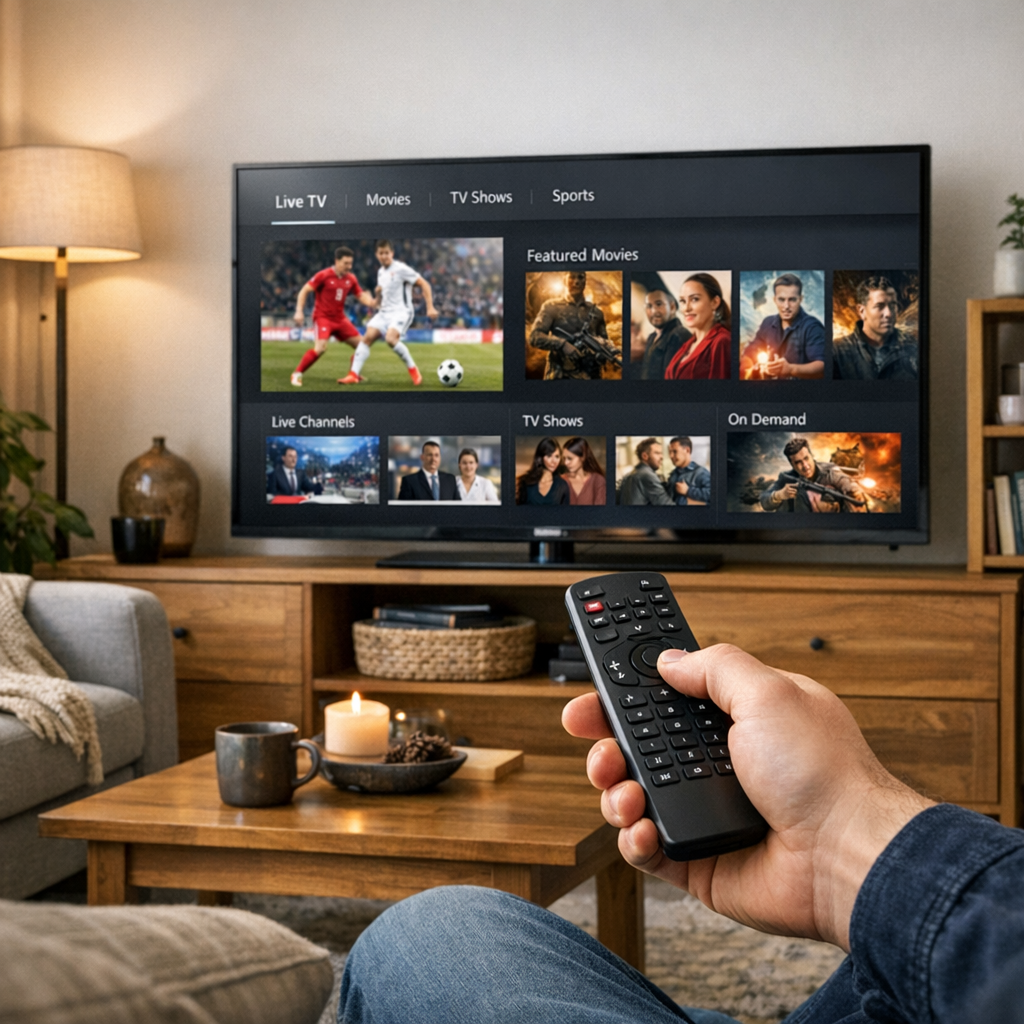
IPTV prompts AI: Direct answer
IPTV, or Internet Protocol Television, uses the internet to deliver TV content. It prompts AI to enhance user experience, offering personalized recommendations and smarter viewing options.
IPTV prompts AI: Key Takeaways
- IPTV uses the internet to stream television content.
- AI plays a crucial role in personalizing user experiences.
- IPTV offers flexibility in viewing options across devices.
- There are both advantages and disadvantages to using IPTV.
What’s New Today
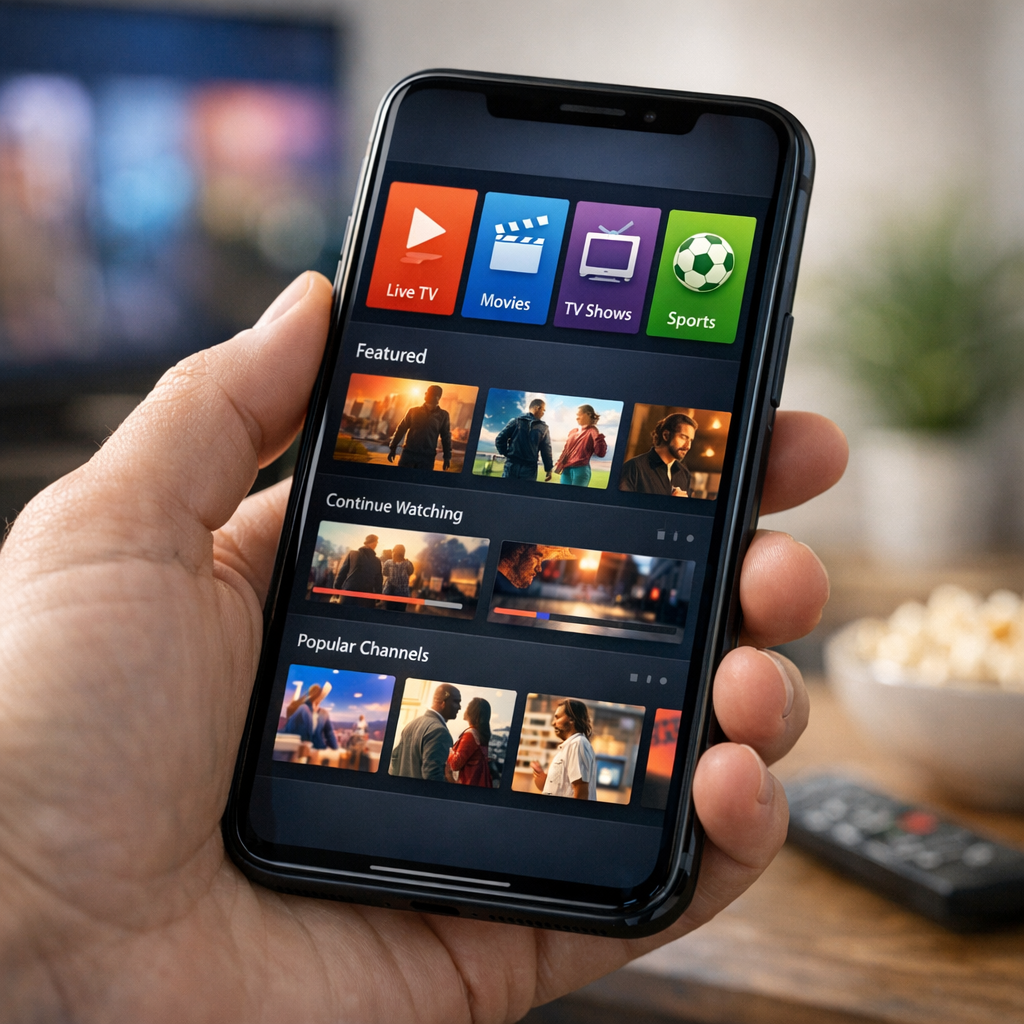
IPTV is rapidly evolving, and recent advancements in AI technology are making it easier for users to find and enjoy their favorite shows. For example, AI algorithms can analyze viewing habits to suggest content tailored to individual preferences. This personalization not only enhances user satisfaction but also increases engagement with the platform, leading to longer viewing times and higher retention rates. According to a report by the International Telecommunication Union, the integration of AI in IPTV services is projected to grow by over 30% in the next five years, indicating a significant trend towards smarter viewing experiences [1].
Overview
Watch on YouTube
IPTV, or Internet Protocol Television, is a method of delivering television content over the internet. Unlike traditional cable or satellite services, IPTV uses internet protocols to stream content directly to users. This technology allows for a more flexible viewing experience, enabling users to watch their favorite shows on various devices, including smartphones, tablets, and smart TVs. The shift from traditional broadcasting to IPTV has been fueled by the increasing availability of high-speed internet and the growing demand for on-demand content [2].
Key Features
- Wide range of channels and on-demand content, providing users with diverse viewing options.
- Ability to watch on multiple devices, including smartphones, tablets, and smart TVs, enhancing accessibility.
- AI-driven recommendations for personalized viewing, improving user satisfaction and engagement.
- Interactive features such as pause, rewind, and record, allowing users to have more control over their viewing experience.
Pros and Cons
Pros
- Flexibility in viewing options, allowing users to watch content at their convenience.
- Access to a vast library of content, including live TV, movies, and series from various genres.
- AI enhances user experience with personalized suggestions, making it easier to discover new content that aligns with individual tastes.
Cons
- Requires a stable internet connection, which may not be available in all areas.
- Potential for buffering during peak times, which can disrupt viewing experiences.
- Content availability may vary by region, leading to discrepancies in the library of shows and movies accessible to users.
Key Insights
According to recent studies, over 80% of households are considering switching to IPTV services due to their flexibility and variety of content options. AI is expected to play a significant role in this transition, making IPTV more user-friendly and engaging. A survey conducted by the Consumer Technology Association found that 65% of respondents believe that AI will significantly enhance their viewing experience by providing better content recommendations and improving user interfaces [3].
Patterns
As IPTV continues to grow, patterns show that users prefer services that offer personalized content. AI algorithms are increasingly being used to analyze viewing habits, leading to better recommendations and a more enjoyable viewing experience. Research indicates that personalized content suggestions can increase user engagement by up to 50%, highlighting the importance of AI in the IPTV landscape [4].
Controversies
Despite its benefits, IPTV faces controversies regarding copyright issues and content licensing. Some users may access unauthorized streams, leading to legal concerns for both providers and consumers. The rise of IPTV has prompted discussions around the need for clearer regulations and better enforcement of copyright laws to protect content creators while allowing users to enjoy diverse programming options [5].
Blind Spots
One blind spot in the IPTV market is the lack of awareness about the technology’s capabilities. Many users are unaware of how AI can enhance their viewing experience, leading to missed opportunities for engagement. Educational initiatives and marketing strategies that highlight the benefits of AI in IPTV could help bridge this gap and attract more users to these services [6].
Opportunities
There are significant opportunities for IPTV providers to leverage AI technology. By improving user interfaces and offering more personalized content, they can attract a larger audience and retain existing customers. Additionally, integrating AI-driven analytics can help providers better understand viewer preferences and optimize their content offerings accordingly, ultimately leading to increased customer satisfaction and loyalty [7].
Advanced Breakdown
IPTV services can be categorized into live TV, on-demand content, and time-shifted TV. AI can optimize each category by analyzing user preferences and improving content delivery. For instance, live TV can benefit from AI by predicting peak viewing times and adjusting bandwidth accordingly, ensuring a smooth streaming experience. Furthermore, AI can assist in content curation, helping users discover new shows and movies based on their viewing history and preferences [8].
Comparison
When compared to traditional cable services, IPTV offers more flexibility and a wider range of content. While cable services are often limited to specific channels, IPTV allows users to choose from various streaming options, enhancing the overall viewing experience. This shift towards on-demand viewing reflects changing consumer preferences, with many viewers seeking more control over their entertainment choices [9].
What People Are Asking
Many users are curious about how IPTV compares to traditional TV. They often ask about the benefits of switching and how AI can improve their viewing experience. Common inquiries include questions about the cost-effectiveness of IPTV services compared to cable, as well as the potential for enhanced viewing experiences through AI-driven features [10].
Popular Searches and Questions
Common searches include “best IPTV services,” “how does IPTV work,” and “AI in IPTV.” These queries highlight the growing interest in both IPTV technology and its integration with AI. As more consumers seek alternatives to traditional cable, understanding the advantages of IPTV and the role of AI in enhancing these services will become increasingly important [11].
References
Share
Related reading
- The Impact of Event Streams on Live Sports
- Multi-Sport Mixed Sports Channels: All Your Favorite Sports in One Place
- Top Channels for Live Football and Soccer Games
- The Ultimate Guide to Sports M3U Playlists
- Episodic TV Series: How Binge-Watching Changed the Game
- Google TV Freeplay: The Future of Free Streaming


