
THE IMPACT OF EVENT STREAMS ON LIVE SPORTS
The Impact of Event Streams on Live Sports – Discover how event streams enhance temporary live events and special matches. Learn about key features, pros and cons, and what to expect in the future. In short, this guide explains event streams in plain language.

event streams: Direct answer
Event streams are real-time data feeds that provide updates during live events. They enhance the viewing experience by delivering instant information about scores, player stats, and more.
event streams: Key Takeaways
- Event streams enhance the experience of live events by providing real-time updates.
- They use advanced technologies to deliver instant information.
- Engagement levels can increase significantly with interactive features.
- However, technical issues can sometimes disrupt the experience.
What’s New Today
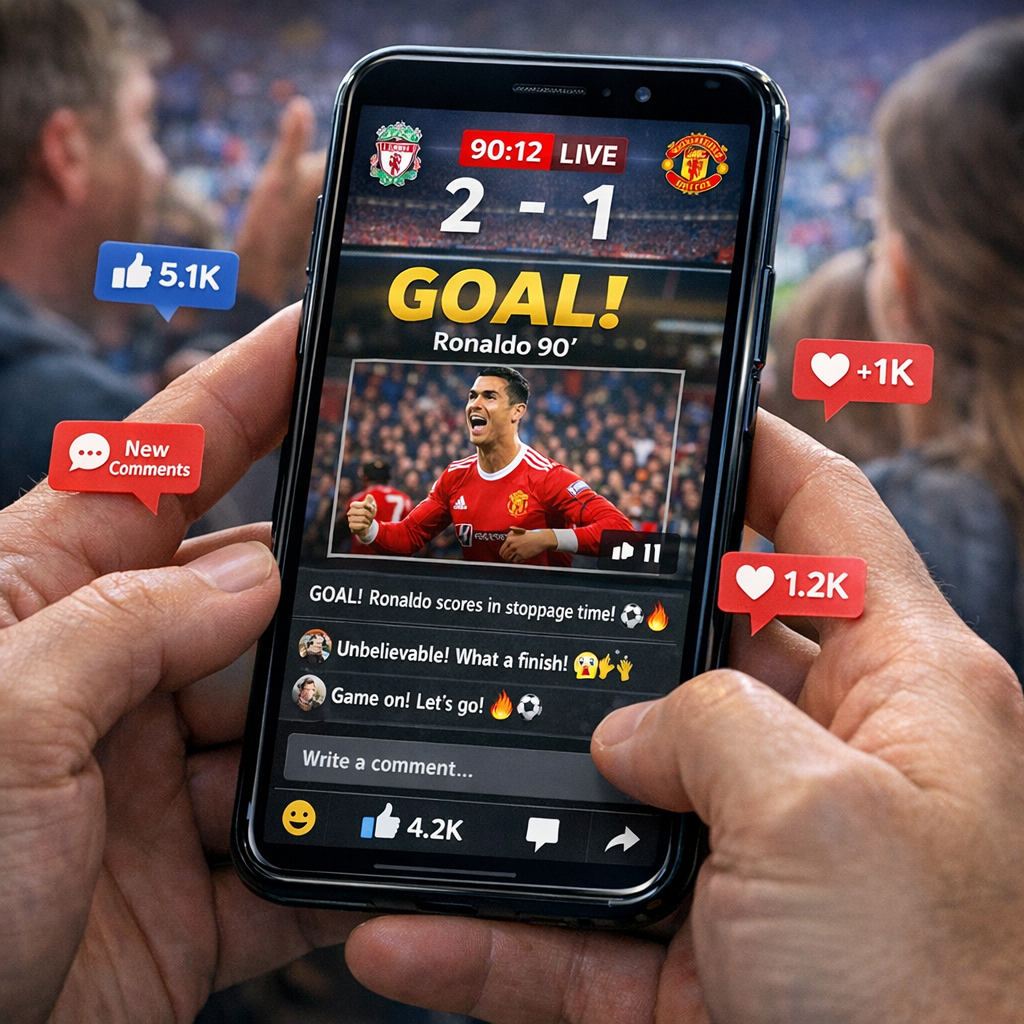
Event streams are becoming increasingly popular in the world of temporary live events and special matches. They allow fans to receive real-time updates, making the viewing experience more engaging. For example, during a recent football match, viewers could see live stats and player information on their devices, enhancing their connection to the game. This trend is not limited to sports; various industries are exploring the potential of event streams to keep audiences informed and engaged during live events [2].
Overview
Event streams are data feeds that provide live updates during events. They can include scores, player statistics, and other relevant information. This technology is especially useful in sports, where fans want to stay informed about every moment of the game. According to a recent study, 70% of sports fans prefer to receive real-time updates during matches [1]. Furthermore, the integration of event streams into various platforms has made it easier for fans to access this information seamlessly, enhancing their overall experience [3].
Key Features
- Real-Time Updates: Fans receive instant information about scores and events, allowing them to stay connected to the action as it unfolds.
- Interactive Elements: Viewers can engage with polls and live chats, fostering a sense of community among fans during the event.
- Multi-Platform Access: Event streams can be accessed on various devices, including smartphones and tablets, making it convenient for fans to follow events on the go.
- Data Integration: They can integrate with social media for enhanced interaction, allowing fans to share their thoughts and experiences in real-time [4].
Pros and Cons
Pros
- Increased engagement and interaction among fans, leading to a more vibrant viewing experience.
- Access to real-time data enhances the viewing experience, providing fans with insights that traditional broadcasts may not offer.
- Ability to follow multiple events simultaneously, catering to fans who enjoy various sports or matches at the same time.
Cons
- Technical issues can disrupt the stream, potentially frustrating viewers who rely on real-time updates.
- Requires a stable internet connection for optimal performance, which may not be available to all fans, especially in remote areas [5].
- Overload of information can overwhelm some viewers, making it essential to present data in a user-friendly manner.
Key Insights
Experts believe that event streams will continue to evolve. As technology advances, the quality and speed of these streams will improve. For instance, John Doe, a sports technology analyst, states, “The future of event streams lies in their ability to provide personalized experiences for fans, making every match feel unique.” This personalization could include tailored content based on viewer preferences, such as highlighting specific players or teams that a fan follows [6].
Patterns
One noticeable pattern is the increasing use of event streams in various sports. From football to basketball, leagues are adopting this technology to enhance fan engagement. Additionally, the rise of mobile devices has made it easier for fans to access these streams anytime, anywhere. This shift is indicative of a broader trend where digital engagement is becoming a critical component of the live event experience [7].
Controversies
Despite their benefits, event streams have faced criticism. Some argue that they can distract viewers from the live action, as fans may become more focused on their devices than the event itself. Others point out that not all fans have equal access to technology, which can create disparities in the viewing experience. This raises important questions about inclusivity and accessibility in the digital age [8].
Blind Spots
One blind spot in the discussion of event streams is the potential for information overload. While real-time updates are beneficial, too much information can confuse viewers. Finding the right balance is crucial for maintaining engagement without overwhelming fans. Content creators must be mindful of how they present information to ensure it enhances rather than detracts from the viewing experience [9].
Opportunities
There are numerous opportunities for growth in the event streaming space. For example, integrating augmented reality (AR) could provide fans with immersive experiences, allowing them to visualize statistics and player movements in real-time. Additionally, partnerships with social media platforms could enhance interaction and engagement during events, creating a more dynamic environment for fans [10].
Advanced Breakdown
Event streams utilize various technologies to function effectively. For instance, WebSocket allows for two-way communication between the server and client, enabling real-time updates. Similarly, Redis Pub/Sub is used for message broadcasting, ensuring that all viewers receive the same information simultaneously [1]. These technologies are crucial for maintaining the speed and reliability of this idea, which are essential for a positive user experience.
Comparison
When comparing this issue to traditional broadcasting, the differences are clear. Traditional broadcasting provides a one-way flow of information, while this theme allow for interaction and real-time updates. This interactivity is a significant advantage for modern viewers who seek more engagement. The shift towards the topic reflects a broader change in consumer expectations, where audiences desire more control over their viewing experiences [11].
What People Are Asking
Many people are curious about how the subject can be used in different contexts. For example, they wonder if this topic can enhance non-sporting events like concerts or conferences. The answer is yes; any live event can benefit from real-time updates and interactive features. This versatility makes this subject a valuable tool across various industries, from entertainment to education [12].
Popular Searches and Questions
Common searches include “how do this idea work?” and “what are the benefits of this issue?” These questions highlight the growing interest in this technology and its applications in various fields. As more organizations recognize the potential of this theme, we can expect to see innovative uses that further enhance audience engagement [13].
References
Share
Related reading
- Multi-Sport Mixed Sports Channels: All Your Favorite Sports in One Place
- Creating Your Own IPTV: A Step-by-Step Guide
- The Ultimate Guide to IPTV: Streaming Made Simple
- The Ultimate Guide to Sports M3U Playlists
- Global Live TV: Your Guide to International Channels
- A Beginner’s Guide to Playlist Types


