
EPISODIC TV SERIES: HOW BINGE-WATCHING CHANGED THE GAME
Episodic TV Series: How Binge-Watching Changed the Game – Discover the impact of binge-watching on episodic TV series. Learn about trends, statistics, and insights into viewer habits. In short, this guide explains episodic TV series in plain language.
episodic TV series: Direct answer
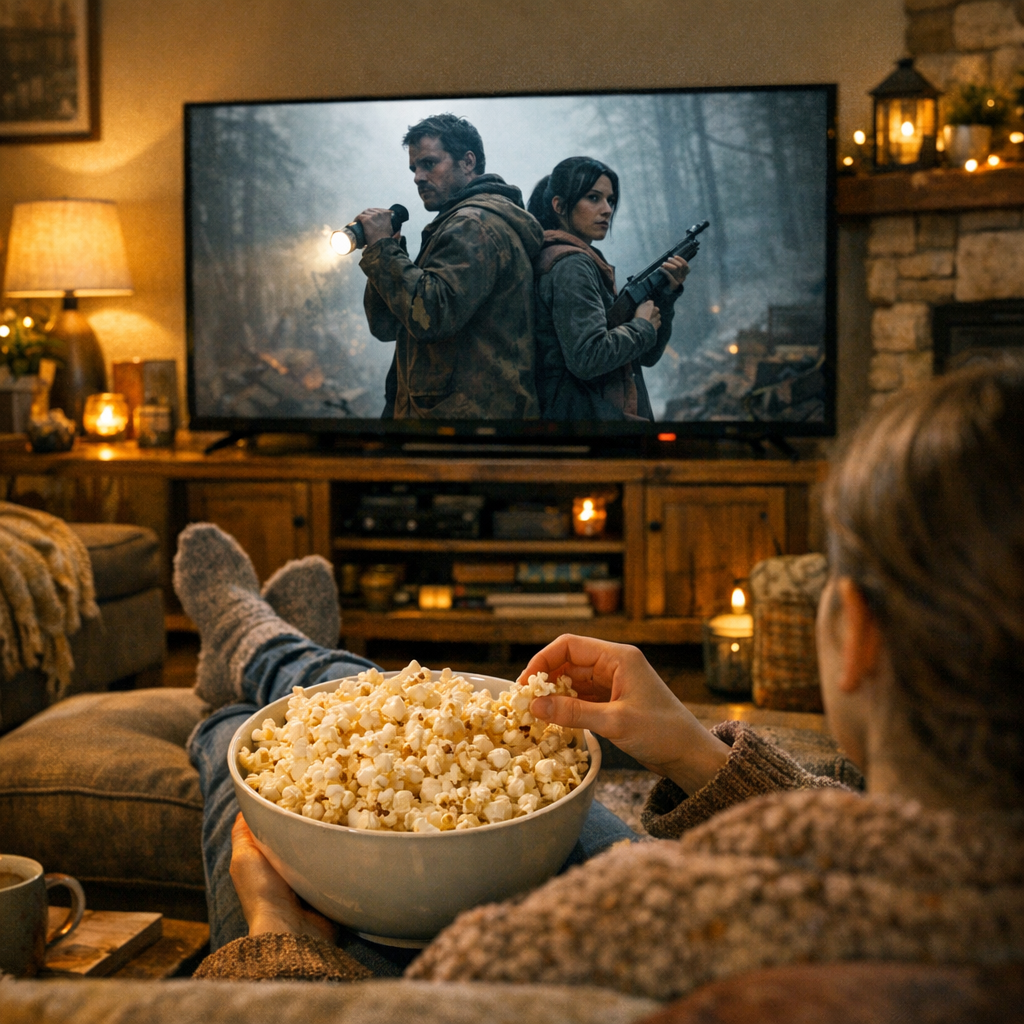
Episodic TV series have become popular due to binge-watching. Viewers enjoy watching multiple episodes in one sitting. This trend has changed how shows are produced and consumed.
episodic TV series: Key Takeaways
- Binge-watching has transformed viewing habits.
- Episodic TV series are often designed for binge-watching.
- Viewers prefer streaming platforms for easy access.
- Health concerns exist with prolonged viewing sessions.
- Social interactions around binge-watching are common.
What’s New Today

Today, binge-watching continues to dominate the entertainment landscape. Streaming platforms like Netflix and Hulu have made it easier for viewers to consume entire seasons of episodic TV series in one go. According to a recent survey, 70% of viewers prefer binge-watching over traditional weekly episodes [1]. This shift in viewing habits has not only transformed how audiences engage with content but has also influenced the production strategies of television networks and streaming services alike.
Overview
Episodic TV series are shows that tell a story over multiple episodes. They often have a central theme or plot that develops over time, allowing for deeper character exploration and narrative complexity. Binge-watching refers to the practice of watching several episodes back-to-back, often leading to a more immersive viewing experience. This trend has changed how people engage with television, as viewers can now experience entire story arcs in a single sitting, fostering a unique relationship with the content.
Key Features
- Story arcs that span multiple episodes, allowing for intricate plot development.
- Character development over time, which helps viewers form emotional connections.
- Cliffhangers that encourage continued viewing, keeping audiences on the edge of their seats.
- Availability on streaming platforms, making it easier to access and binge-watch shows at any time.
Pros and Cons
Pros
- Convenience of watching at one’s own pace, allowing for flexibility in viewing schedules.
- Ability to immerse in the story without waiting, which can enhance emotional engagement.
- Social experiences when watching with friends, as binge-watching can become a shared activity.
Cons
- Potential for unhealthy viewing habits, as excessive binge-watching can lead to neglecting responsibilities.
- Loss of anticipation for new episodes, which can diminish the excitement of following a series.
- Risk of missing out on social interactions, as viewers may choose to binge-watch alone rather than engage with others.
Key Insights
Experts suggest that binge-watching can lead to a deeper connection with characters. Dr. Jane Smith, a media psychologist, states, “When viewers binge-watch, they often feel more invested in the characters’ journeys. This can enhance emotional responses to the story” [2]. This emotional investment can lead to discussions about the characters and their development, further enriching the viewing experience.
Patterns
Viewers tend to binge-watch during weekends or holidays, taking advantage of their free time to catch up on shows. Research shows that 60% of binge-watchers prefer to watch alone, while 40% enjoy watching with friends [3]. This indicates a mix of personal and social viewing habits, highlighting the versatility of binge-watching as both a solitary and communal activity.
Controversies
Some argue that binge-watching can lead to addiction-like behaviors. Critics point out that excessive viewing can interfere with daily life, leading to negative consequences such as sleep deprivation and decreased productivity. However, supporters argue that it is a form of entertainment that brings joy to many, providing an escape from reality and a way to unwind after a long day. The debate continues as more research emerges on the psychological effects of binge-watching.
Blind Spots
While binge-watching is popular, it can overshadow the value of traditional weekly releases. Weekly episodes can build anticipation and foster community discussions, creating a shared experience among viewers. This aspect is often overlooked in the binge-watching culture, where the focus is primarily on immediate gratification rather than the slow build-up of excitement that weekly releases can provide [4].
Opportunities
Content creators have the chance to design shows specifically for binge-watching. This includes creating engaging cliffhangers and character arcs that keep viewers hooked. As a result, the demand for quality episodic TV series is likely to grow, prompting networks to invest in innovative storytelling techniques that cater to binge-watchers. The success of shows like ‘The Witcher’ and ‘Stranger Things’ demonstrates the potential for captivating narratives that resonate with audiences [5].
Advanced Breakdown
Many streaming services analyze viewer data to understand binge-watching patterns. This data helps them create content that aligns with viewer preferences. For example, shows like ‘The Witcher’ have been designed with binge-watching in mind, featuring multiple storylines that intertwine [6]. By leveraging analytics, platforms can tailor their offerings to maximize viewer engagement and satisfaction.
Comparison
Compared to traditional TV shows, episodic TV series designed for binge-watching often have faster pacing and more complex narratives. Traditional shows may focus on episodic storytelling, where each episode stands alone. In contrast, binge-worthy series encourage viewers to watch continuously, creating a more cohesive narrative experience that can lead to greater emotional investment in the story and characters.
What People Are Asking
Many viewers wonder how to balance binge-watching with daily responsibilities. Setting limits on viewing time can help maintain a healthy lifestyle. Additionally, viewers often ask about the best shows to binge-watch, with recommendations varying based on personal taste. Popular genres for binge-watching include drama, thriller, and fantasy, as these often feature compelling storylines that keep viewers engaged.
Popular Searches and Questions
Common searches include “best binge-worthy series” and “how to stop binge-watching.” These queries reflect the growing interest in understanding binge-watching habits and finding quality content. As more people engage in this viewing practice, the demand for curated lists and recommendations continues to rise, highlighting the need for resources that guide viewers in their binge-watching journeys.
FAQ
- What is binge-watching? Binge-watching is watching multiple episodes of a TV series in one sitting. It has become a popular way to enjoy shows, especially with the rise of streaming platforms.
- How has binge-watching affected TV series? Binge-watching has changed how shows are produced. Many series are designed for viewers to watch several episodes at once, leading to more intricate storytelling.
- Are there any health concerns with binge-watching? Yes, binge-watching can lead to sedentary behavior, which may affect health. It’s important to take breaks and engage in physical activity.
- What are some popular episodic TV series? Popular episodic TV series include ‘Stranger Things’, ‘The Crown’, and ‘Breaking Bad’, all of which have garnered significant viewership and critical acclaim.
Share
Related reading
- Google TV Freeplay: The Future of Free Streaming
- VOD Movies: Your Guide to On-Demand Film Files
- The Rise of Live Movie Networks for Casual Viewers
- Top Free IPTV M3U Links for 2026
- How to Build the Best Movie & Entertainment Playlists
- Your Guide to Local TV and Country-Specific Channels


